Interview File
About This Interview
- Interviewee
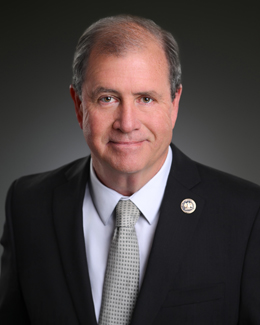
- Representative Neil Riser
- Interview Date
- June 2026
- Interview Format
- Recorded telephone interview
- Series
- Where Fishermen Fit — Interview 001
Why Representative Riser?
Representative Neil Riser represents House District 20 and serves on the House Natural Resources and Environment Committee. While his district is not centered on Louisiana’s working coast, it is closely connected to rivers, reservoirs, forestry, hunting, fishing, agriculture, and natural-resource management.
LAInshore.com invited Rep. Riser to participate because the future of Louisiana’s fisheries reaches beyond the coast, and lawmakers from across the state help shape policies affecting anglers, working-water communities, and wildlife.
Source Note: District and committee information are based on the Louisiana House of Representatives member listing.
Fishing Means Different Things Depending on Where You Stand
Ask a commercial shrimper what Louisiana fishing means, and you will likely hear about making a living before daylight.
Ask a charter captain, and the answer may revolve around weather windows, repeat customers, and putting people on fish.
A marina owner may think about fuel docks, boat traffic, and launch ramps. A seafood processor may think about supply and markets. A fisheries biologist may begin with population trends and habitat. A child catching a first fish may remember nothing more than the excitement of watching a cork disappear beneath the surface.
None of those answers are wrong.
They simply begin from different places.
That reality is what inspired Where Fishermen Fit, a continuing LAInshore.com interview series built around a simple idea: ask the same five questions to people whose decisions, livelihoods, and experience shape Louisiana’s waters.
Rather than comparing headlines, political statements, or social media debates, readers can compare perspectives.
The goal is to understand how different people see the same resource — where they agree, where they do not, and what readers may be missing.
Some participants will be lawmakers. Others will be commercial fishermen, charter captains, marina owners, seafood workers, recreational anglers, scientists, conservation organizations, or state agencies.
This first interview is with Rep. Riser.
During a recorded telephone interview, Rep. Riser spoke about fishing as part of Louisiana’s identity, the role wetlands play beyond fisheries alone, why he believes conservation should remain the foundation of natural-resource policy, and why public participation matters when decisions affecting wildlife and fisheries are made.
His perspective reflects one voice in a much broader conversation.
It is also the first of many.
What role do Louisiana’s commercial and recreational fishermen play in the identity, economy, and culture of this state?
Rep. Riser approached the first question by separating Louisiana fishing into two connected, but distinct, roles.
Commercial fishing, he said, remains an important part of Louisiana’s coastal economy. Seafood harvesting supports families, businesses, and communities that have depended on the water for generations.
Recreational and commercial fishing also draw visitors who come to experience Louisiana’s waters and fishing culture.
When the conversation turned to recreational fishing, however, Rep. Riser’s answer shifted away from economics and toward tradition.
“It’s a way of life. It’s who we are.”
Rep. Riser
Throughout the interview, Rep. Riser spoke less about fish and more about what fishing teaches.
Children learn to respect the outdoors. They learn that water demands caution, that boats require responsibility, and that hooks and knives are tools that deserve respect. Long before they understand fisheries management or conservation policy, they begin learning lessons that stay with them for life.
Rep. Riser expressed concern that many young people now spend less time outdoors than previous generations. As more childhood experiences move indoors and onto screens, he worries those opportunities to develop practical outdoor skills — and a connection to Louisiana’s natural resources — are becoming less common.
For him, introducing children to fishing is about far more than catching fish.
It is about passing along a way of life.
That tradition, he suggested, creates future hunters, anglers, boaters, and conservationists who understand both the opportunities and responsibilities that come with Louisiana’s outdoors.
Fishing also produces economic benefits that extend well beyond the boat launch.
A family preparing for a day on the water buys fuel, ice, bait, tackle, food, and supplies. Boats need maintenance. Outboard motors require repairs. Local marinas, sporting goods stores, mechanics, convenience stores, restaurants, and tackle shops all benefit when people spend time outdoors.
Those purchases may seem routine, but together they support businesses and jobs across Louisiana.
For Rep. Riser, that broader economic picture is just as important as the fish themselves.
Commercial fishing and recreational angling may serve different purposes, he said, but both remain woven into Louisiana’s economy and identity.
Some contributions can be measured in seafood landings, tourism dollars, or business revenue.
Others are more difficult to quantify.
A parent teaching a child to cast for the first time.
Friends gathering at the launch before daylight.
Generations returning to the same camp every summer.
Those experiences rarely appear in economic reports, yet they continue shaping how many Louisianans understand home.
As the conversation continued, one theme became increasingly clear.
For Rep. Riser, discussions about regulations, access, harvest limits, or restoration all begin with something more fundamental.
Fishing is not simply recreation.
It is part of Louisiana’s culture.
And preserving that culture begins by preserving the natural resources that support it.
Why are Louisiana’s wetlands important to both working-water families and recreational anglers?
When asked about Louisiana’s wetlands, Rep. Riser did not begin by talking about fishing.
He began by talking about water.
For many anglers, wetlands are closely associated with productive fisheries. They are places where shrimp mature, baitfish gather, ducks winter, and countless species find food and shelter. Healthy marshes often mean healthy fishing.
Rep. Riser agreed that wetlands are essential to Louisiana’s fisheries, but he described them as something even broader.
To him, wetlands are working landscapes — natural systems that slow water, reduce flooding, support wildlife, and protect communities long before most people notice their impact.
“We’ve had a lot of flooding,” Rep. Riser said, pointing to decades of changes in how water moves across Louisiana.
Rep. Riser said development has altered many natural drainage patterns, changing the way water flows through the state’s rivers, swamps, and floodplains. While roads, levees, and other infrastructure have brought important benefits, he said they have also interrupted natural systems that once helped manage water across the landscape.
Rep. Riser drew on his own background growing up in the timber industry, describing how he watched creeks, swamps, and forests change over time. He recalled waterways filling with sediment, natural areas disappearing, and landscapes that looked very different from those he remembered as a child.
Those experiences, he said, shaped how he approaches conservation today.
Rep. Riser said his concern over cypress preservation eventually influenced his work in the Legislature. He said he came to believe Louisiana’s mature cypress forests could no longer be viewed as an unlimited resource.
“I’m a strong advocate of the preservation of the wetlands.”
Rep. Riser
Throughout the interview, Rep. Riser returned to a simple idea.
Wetlands perform work.
Cypress trees, swamp grasses, and native vegetation do far more than create wildlife habitat or scenic views. They slow moving water, absorb floodwaters, improve water quality, and create conditions that benefit both people and wildlife.
Rather than allowing heavy rainfall to move quickly into rivers and developed communities, healthy wetlands help spread and slow water across the landscape.
“All of that has a purpose,” Rep. Riser said.
His answer reflected a philosophy that values wetlands for more than recreation or commercial opportunity.
They are part of Louisiana’s natural infrastructure.
That perspective also helps explain why wetlands often become the center of debates over conservation and restoration. Anglers may see productive fishing habitat. Coastal residents may think about storm protection. Engineers may focus on flood control. Wildlife managers may look at habitat. Commercial fishermen may see the future of their livelihoods.
Rep. Riser’s view was that those interests are connected rather than separate.
Although his district is not located along Louisiana’s working coast, he argued that wetlands should not be viewed only as a coastal issue. Rivers, swamps, forests, floodplains, and marshes all function as part of the same larger system.
Protecting those natural systems, he suggested, benefits far more than fisheries alone.
It supports the people and communities that have always depended on Louisiana’s waters.
As the conversation shifted from wetlands to public policy, that same philosophy continued to emerge.
If healthy natural resources are the foundation, how should Louisiana balance the many competing interests that depend upon them?
What should Louisiana prioritize when balancing coastal restoration, fishery management, commercial livelihoods, recreational access, private property, and environmental protection?
Few questions facing Louisiana’s outdoors are more difficult than balancing the many interests tied to the state’s natural resources.
Commercial fishermen depend on healthy harvests to make a living.
Recreational anglers want access to productive fisheries and public waters.
Landowners expect their property rights to be respected.
Coastal restoration projects are designed to protect wetlands, fisheries, and communities, but they can also change navigation routes, fishing patterns, leases, or access to areas people have used for generations.
State agencies are expected to manage public resources using science, public input, legal authority, and practical judgment.
Those interests do not always point in the same direction.
Asked how Louisiana should approach those competing priorities, Rep. Riser returned to the principle that shaped much of the interview.
“The priority should be to put the wildlife and the fisheries first.”
Rep. Riser
For Rep. Riser, every other discussion begins there.
If the resource itself is not protected, he argued, debates over access, harvest, restoration, commercial opportunity, and private property become harder to resolve.
“If we don’t,” he said, referring to protecting wildlife and fisheries, “we’ll just end up decimating” the resource.
During the interview, Rep. Riser did not describe conservation as a narrow issue tied to one species, one fishery, or one part of the state. He framed it as the long-term responsibility of maintaining Louisiana’s natural resources so future generations can continue using and enjoying them.
That view also reflected a personal change in perspective.
Like many lifelong anglers, Rep. Riser said his own approach to fishing has changed over time.
“When I was young, I wanted to catch as many as I could,” he said.
Today, he sees it differently.
“Now I just take what I catch to eat.”
He described that shift as something that often comes with age and experience. Instead of measuring success only by numbers, he said he now places more value on sustaining the resource itself.
That philosophy helps explain how he approaches public policy.
Louisiana’s outdoor issues rarely exist in isolation. A decision intended to improve fish habitat may affect navigation. An effort to expand public access may create concerns for nearby landowners. Changes to harvest rules may affect commercial fishermen differently than recreational anglers. Conservation measures may create short-term frustration while aiming for long-term benefits.
Rep. Riser did not suggest those tradeoffs are easy.
He also did not offer a single answer that would satisfy every group.
Instead, he returned to what he sees as the common foundation beneath each of those debates.
Without healthy habitat and sustainable wildlife populations, every other conversation becomes more difficult.
Whether someone makes a living on the water, fishes a few weekends each month, owns waterfront property, or simply values Louisiana’s outdoor heritage, each ultimately depends on the same natural resource.
In Rep. Riser’s view, protecting that resource should remain the state’s first priority.
His answer did not erase the tensions between conservation, commerce, recreation, restoration, and private property.
It did offer the principle he believes should guide the state when those interests compete.
What message would you like to share with Louisiana fishermen, seafood workers, guides, anglers, and coastal families trying to protect both their livelihoods and traditions?
The final question moved away from policy and toward the people most affected by it.
Rather than focusing on a specific bill, agency rule, or fishery debate, Rep. Riser emphasized participation.
He encouraged Louisiana’s fishermen, hunters, boaters, and outdoor users to stay involved in the legislative process and continue sharing their experiences with the people who make decisions affecting wildlife, fisheries, access, and natural resources.
“The most relevant conversations we have are people coming in with real-world scenarios.”
For Rep. Riser, those conversations matter because they give lawmakers practical context that cannot always be found in committee packets, agency reports, or formal presentations.
People who spend time on the water notice changes early.
They see how fisheries respond to weather, habitat, pressure, and access.
They understand how regulations work in real life, not just on paper.
They know what happens at the boat launch, in the marsh, on the river, or at the dock after a rule is written or a project begins.
Rep. Riser said that kind of firsthand experience helps legislators better understand the practical effects of the decisions they are asked to make.
He also returned to a point that ran through much of the interview: Louisiana’s wildlife and fisheries are shared resources.
Outside of privately owned or enclosed waters, he said, fish and wildlife belong to the people of Louisiana.
With that shared ownership, he suggested, comes a shared responsibility.
Whether someone fishes commercially, spends weekends chasing speckled trout, guides clients through the marsh, runs a marina, hunts flooded timber, or simply wants children and grandchildren to experience the outdoors, Rep. Riser said those voices need to remain part of the conversation.
His message was not framed as a campaign statement.
It was a reminder that natural-resource policy is shaped by the people who show up.
Stay involved.
Share what you are seeing.
Speak before decisions are final, not only after they are announced.
For Rep. Riser, protecting Louisiana’s fishing traditions depends not only on lawmakers or agencies, but also on the people who use the resource making sure their real-world experience is part of the process.
Analysis
Reporter’s Takeaway
One theme ran through Rep. Riser’s answers: the resource comes first.
Whether he was talking about children learning to fish, wetlands slowing floodwater, cypress trees, outdoor traditions, or the balance between conservation and access, Rep. Riser repeatedly returned to the idea that Louisiana’s wildlife, fisheries, and natural systems must be protected before other interests depending on them can be sustained.
That perspective does not answer every question facing Louisiana’s fishermen.
It does not settle debates over public access, commercial harvest, private property, restoration impacts, or fishery management.
But it does show how one lawmaker from a rural, inland district views the larger issue.
For Rep. Riser, fishing is not only a coastal concern.
It is part of Louisiana’s statewide outdoor identity.
Future interviews in this series may emphasize different priorities. A coastal lawmaker may focus more heavily on seafood, marsh loss, oyster leases, or storm protection. A charter captain may focus on access and fishery health. A commercial fisherman may focus on markets, regulations, costs, and survival. A marina owner may focus on infrastructure and the people who keep fishing communities moving.
Those differences are the point.
Louisiana’s fishing future cannot be understood from one dock, one office, one agency, one fishery, or one user group.
It has to be heard from multiple directions.
That is what Where Fishermen Fit is meant to document.
The Series
About Where Fishermen Fit
Where Fishermen Fit is an ongoing LAInshore.com interview series exploring Louisiana’s fisheries through conversations with the people who shape, manage, depend upon, and work on the state’s waters.
Every participant receives the same five questions.
The goal is not to compare personalities.
It is to compare perspectives.
Future interviews may include lawmakers, commercial fishermen, charter captains, marina owners, seafood workers, scientists, conservation organizations, recreational anglers, and state agencies.
Standard Interview
The Five Questions
Every participant in the Where Fishermen Fit series receives the same five questions:
- What role do Louisiana’s commercial and recreational fishermen play in the identity, economy, and culture of this state?
- Why are Louisiana’s wetlands important to both working-water families and recreational anglers?
- What should Louisiana prioritize when balancing coastal restoration, fishery management, commercial livelihoods, recreational access, private property, and environmental protection?
- Are there any fisheries, access, coastal, seafood, or working-water issues you believe Louisiana residents should be watching closely?
- What message would you like to share with Louisiana fishermen, seafood workers, guides, anglers, and coastal families trying to protect both their livelihoods and traditions?
Reporting Note
For this article, LAInshore.com sent the same five questions to the offices of Sen. Michael “Big Mike” Fesi, Sen. Bob Hensgens, Sen. Robert Allain, Rep. Joseph Orgeron, Rep. Vincent Cox, Rep. Jerome Zeringue, and Rep. Neil Riser.
Rep. Neil Riser participated in a recorded telephone interview before publication.
As of publication, the other offices had not provided responses.
Future responses may be published as additional installments in the Where Fishermen Fit series.
Reader Response
Have a local correction, firsthand detail, or respectful response?
Send it to LAInshore.com. Include the article title, what you saw or know, and any source, photo, document, or public record that helps verify it. Useful reader responses may inform corrections, updates, or follow-up reporting.
Send a response